1st Edition Pokemon Cards: Identification & Values
The small black stamp on a vintage Pokemon card can multiply its value many times over. Here's how to identify 1st Edition, Shadowless and Unlimited printings, with live market prices for the cards that matter.
The Three Printings of Vintage Sets
1st Edition
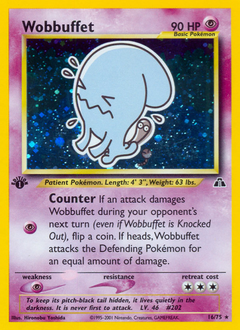
Black circular 'Edition 1' stamp on the left side below the artwork. The first, smallest print run, and the most valuable form of any vintage card.
Shadowless
No stamp, and no drop shadow on the right edge of the artwork frame. Base Set only, printed between 1st Edition and Unlimited runs.
Unlimited
No stamp, with the drop shadow. The mass-market print run. This is what most surviving vintage cards are, and what our default listed prices reflect.
1st Edition vs Unlimited: Live Price Comparison
Iconic WotC-era cards where TCGplayer tracks both printings: the stamp multiplier, measured on live market data.
Market prices for raw near-mint copies, updated October 2026. Graded copies sell far higher.
Most Valuable 1st Edition-Tracked Cards
Cards where TCGplayer tracks the 1st Edition printing as the leading variant. Tap any card for its full per-variant breakdown.
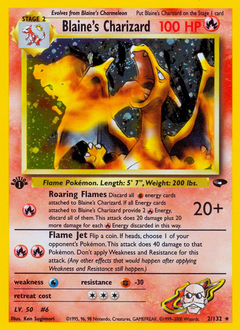
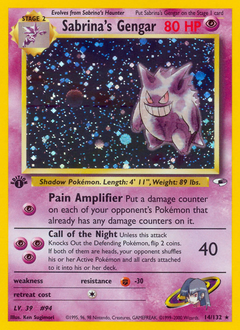
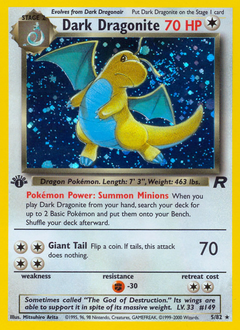
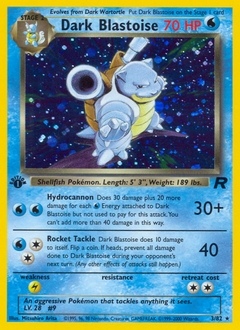
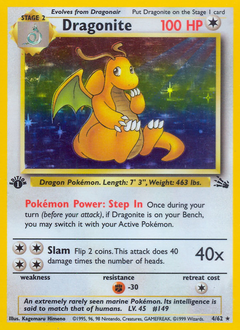
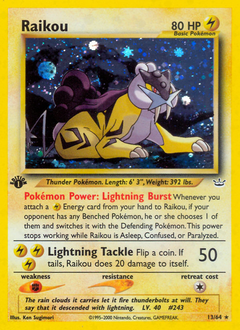
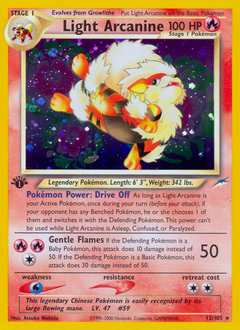

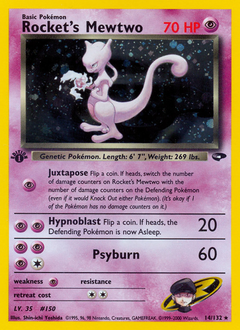
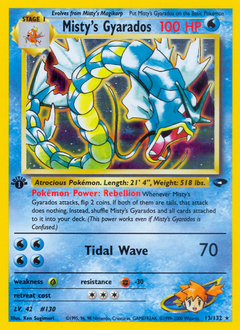
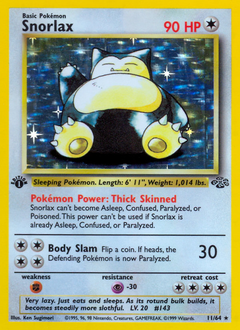
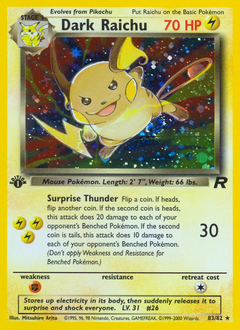

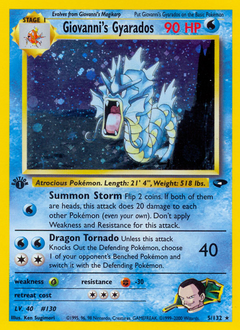
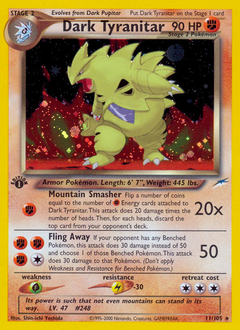



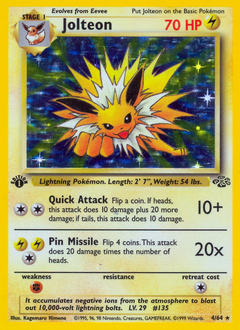

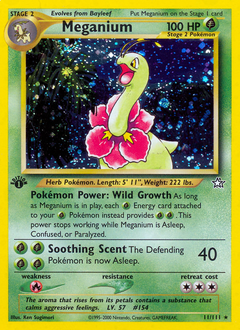

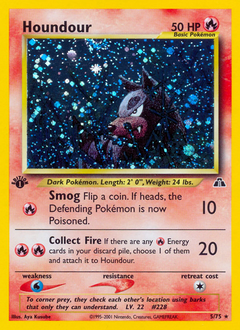
1st Edition FAQ
How do I know if my Pokemon card is 1st Edition?
Look for the black '1st Edition' stamp: a circular 'Edition 1' logo printed on the left side of the card, below the artwork on vintage WotC cards. No stamp means the card is a Shadowless or Unlimited printing. The stamp was part of the printing, so it never rubs off; a sticker or faded stamp is a red flag.
What does Shadowless mean?
Between the 1st Edition and Unlimited runs of Base Set, cards were printed without the drop shadow to the right of the artwork frame; collectors call these Shadowless. They share the 1st Edition's layout (minus the stamp) and sell at a premium over Unlimited, though below stamped 1st Edition copies.
Are all 1st Edition Pokemon cards valuable?
No. The stamp multiplies a card's baseline value; it doesn't create it. A 1st Edition common from a heavily printed set can still be worth under a dollar, while 1st Edition holos of iconic Pokemon reach thousands. Condition matters enormously: most of the headline prices you see are for graded near-mint copies.
When did 1st Edition printing stop?
The 1st Edition stamp was a Wizards of the Coast practice (1999–2003), ending with the e-Card era. Modern Pokemon sets don't have 1st Edition printings, so a modern card with a 1st Edition stamp is fake.