PSA Grading Cost: Is Grading Worth It?
Pokemon card grading costs real money and months of waiting. Here's how the pricing works, and the simple break-even math that tells you whether your card justifies it.
How Much Does It Cost to Grade a Pokemon Card?
All three major graders, PSA, CGC and BGS, price by service tier. The pattern is the same everywhere:
- Bulk / value tiers: the cheapest per-card fees, capped at a maximum declared card value, with the slowest turnaround (often months).
- Standard and express tiers: higher fees for faster turnaround and higher-value cards.
- Declared value scaling: the more your card is worth, the higher the tier it must go in. Grading a chase card costs more than grading bulk.
PSA Fee Schedule (as of July 2026)
| Tier | Fee per card | Declared value cap | Notes |
|---|---|---|---|
| Value Bulk | $24.99 | ~$499 | 20-card minimum, PSA Collectors Club membership required |
| Value | $32.99 | ~$499 | No minimum |
| Value Plus | $49.99 | ~$499 | Faster than Value |
| Value Max | $64.99 | ~$499 | Fastest value-level tier |
| Regular | $79.99 | ~$1,499 | For cards too valuable for the value tiers |
PSA raised prices on several tiers by $5 in February 2026, the second increase in about six months, so treat these as a snapshot and confirm the current schedule on psacard.com before submitting. For the decision itself, the exact fee matters less than the break-even math below.
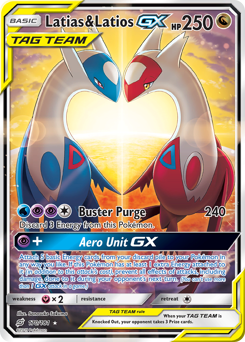
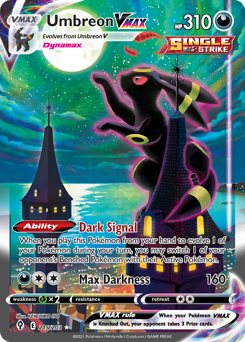
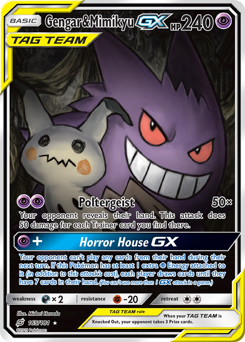
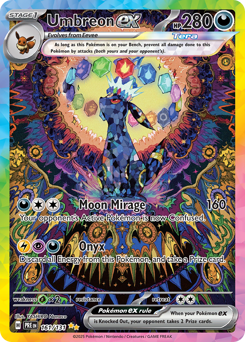
What a Grading Candidate Looks Like
High raw value + flawless condition. Cards like these are why grading exists. Tap any for its live price.
The Break-Even Math
Grading pays off when:
expected graded price > raw price + grading fee + shipping + your time
- Start from the card's live raw price, which you can look up below.
- Assume your realistic grade, not your hoped-for grade. A 9 often sells near raw price for modern cards, so the whole bet usually rides on a 10.
- Vintage holos in genuinely flawless condition are the strongest grading candidates; heavily printed modern cards below ~$50 raw rarely justify the fee.
Look up your card's raw price:
Should You Grade It? Quick Decision List
✅ Grade it if
- The card looks flawless under bright, angled light
- Centering is close to even on both faces
- It's a vintage holo, chase card or low-print rarity with real raw value
- You plan to sell, or want long-term protection and authentication
❌ Skip it if
- There's visible whitening, scratching or a soft corner
- The raw price is low, so the fee eats the upside
- You'd need the top grade just to break even
- You want to sell quickly (raw cards sell fast too)
Assess condition honestly with our condition & grading guide before paying for a submission.
Pokemon Card Grading FAQ
Deciding between graders? See the full PSA vs CGC vs BGS comparison.
How much does it cost to grade a Pokemon card?
As of July 2026, PSA's per-card fees run from $24.99 (Value Bulk, 20-card minimum with a Collectors Club membership) through $32.99 (Value), $49.99 (Value Plus) and $64.99 (Value Max), all capped around $499 declared value. The Regular tier is $79.99 (~$1,499 cap). Higher-value cards require pricier tiers, and PSA raised several tiers by $5 in February 2026, so always confirm on psacard.com before submitting.
Is PSA grading worth it?
Only when the expected graded price meaningfully exceeds the raw price plus the grading fee, and only for cards that will actually score high. A flawless vintage holo or modern chase card is a good candidate; a played common never is. Look up your card's live raw price first, then apply the break-even math below.
PSA vs CGC vs BGS: which should I use?
PSA has the strongest market recognition and typically the highest resale premiums for Pokemon; CGC is popular for competitive pricing and fast turnaround; BGS is known for its sub-grades and the coveted Black Label. For most Pokemon cards headed for resale, PSA slabs realize the highest prices, but compare current fees and turnaround before submitting.
What grade will my card get?
Judge it honestly against the industry-standard condition scale before paying: centering, corners, edges and surface all count. Our condition guide walks through each grade with examples. When in doubt, assume one grade lower than you hope.
Check your card's raw value in one scan
Scan it with Ripdex to identify it and get the live market price, the first input of every grading decision.