Are Japanese Pokemon Cards Worth More Than English?
Market · Published 2026-07-21 · 7 min read · by Sándor
Short answer: for the same card, the Japanese version usually costs less than the English one, not more. The longer answer is more interesting, because the exceptions are exactly where the money is.
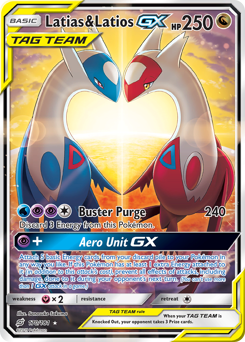
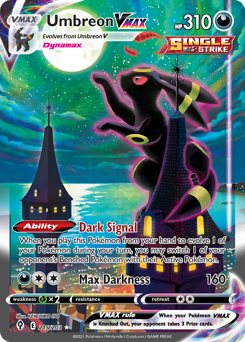
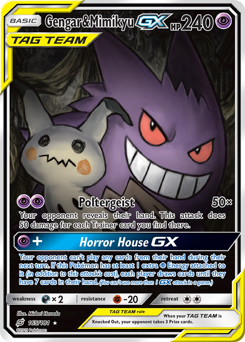
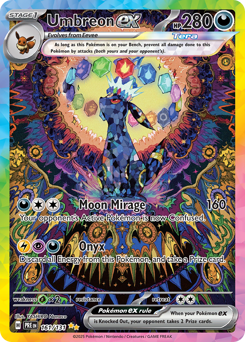
The cards below are the kind this question gets asked about: chase cards whose artwork exists in both languages, shown here with their live English-market prices.
Why Japanese singles are usually cheaper
Japan prints a lot of cards. Print runs are generous, reprints come quickly when demand spikes, and the domestic market opens enormous volumes of product. More supply of the same artwork means lower prices for most singles. An English chase card and its Japanese twin can look identical in a binder while trading at very different numbers, and the gap almost always favors the English buyer's wallet on the way in.
The buyer pool matters just as much. Western collectors mostly resell into Western markets, where English cards are the default. Fewer bidders for Japanese copies means softer prices, whatever the print run says.
The quality reputation is real, and it cuts both ways
Japanese production quality has a strong reputation among graders: better centering, fewer surface issues out of the pack. If your goal is a high-grade copy, a Japanese card often gets you there with less hunting. The flip side is that gem-mint Japanese copies are less rare, precisely because so many survive in great shape. Scarcity drives graded premiums, so easier 10s mean cheaper 10s.
Where Japanese cards genuinely command more
- Japan-only releases. Promos and sets that never got an English printing have no cheaper twin to compete with. Trophy cards from Japanese tournaments and campaign promos sit at the very top of the entire hobby.
- First appearances. Japan gets most cards first. For some collectors, the original Japanese printing is the historically important one, and they pay for that primacy, especially with vintage material.
- Vintage supply quirks. Some older Japanese printings had smaller effective supply than their later English versions, flipping the usual relationship. Judge vintage case-by-case instead of applying the modern rule of thumb.
A practical way to decide
- Check the English card's live price first (the value checker covers every international printing).
- Compare recent sold listings for the Japanese version on your marketplace of choice. The gap tells you what the market thinks.
- Buying to display? Take the cheaper version. Buying to resell in the West? The English copy has the deeper exit.
FAQ
Are Japanese Pokemon cards worth more than English?
Usually less for the same card. Japan prints generously and reprints often, so supply keeps most Japanese singles cheaper than their English versions. The exceptions are Japanese exclusives, promos that never left Japan, and older cards where Japanese first prints carry collector premiums.
Why do people say Japanese cards have better quality?
Japanese printing has a long-standing reputation for better centering and cleaner surfaces. Graders see this in practice: well-kept Japanese cards tend to reach high grades more often than comparable English ones. That helps resale for graded copies, but it also means gem-mint Japanese cards are less scarce, which caps the premium.
Does Ripdex track Japanese card prices?
The Ripdex app recognizes and prices the Japanese catalog alongside the international one. This website covers international (English) cards only, so Japanese singles you scan will show their values in the app.
Should I buy the Japanese or English version of a chase card?
Decide what you're optimizing for. For display and personal collecting, the Japanese version usually gets you the same artwork for less money. For resale in Western markets, English versions have the deeper buyer pool and typically the higher ceiling.
One scope note: this website tracks international (English) cards. The Ripdex app prices the Japanese catalog too, so if a stack of Japanese cards is what you're holding, the scanner is the fastest way to find out what's in it.