Best Pokemon Cards to Invest In? A Data-First Framework
Market · Published 2026-08-04 · 8 min read · by Sándor
Let's start where most "invest in Pokemon cards" articles end: this is a collectible market, not a stock exchange. It's illiquid, fees eat over a tenth of every sale, and prices run on nostalgia and hype. People have made life-changing money in it, and people who bought the 2021 peak are still waiting to break even. What follows is a framework, not a stock-tip list.
What actually holds value
- Icon status. Charizard, Pikachu and the Eeveelutions carry premiums across every era, because each new wave of collectors wants the same characters. Iconic beats obscure over any long window.
- Scarcity you can verify. Low print runs, brutal pull rates, thin graded populations. Scarcity claims should come with numbers; when they don't, assume marketing.
- Condition. The market pays for preservation. Near-mint raw and high-grade slabs appreciate; played copies mostly don't. Storage is part of the investment.
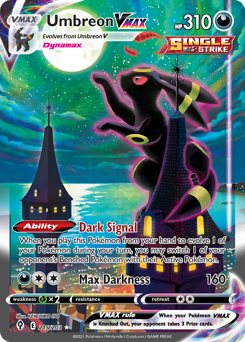
- Era transitions. When an era ends, its chase cards stop being printed forever. The Sword & Shield era's alt arts are the current textbook case.
The reference tier: cards the market already trusts
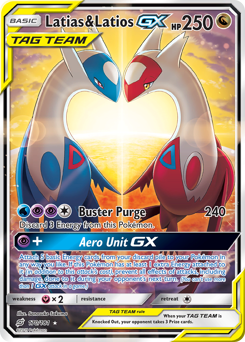
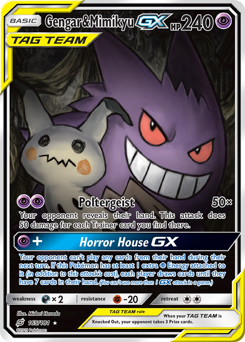
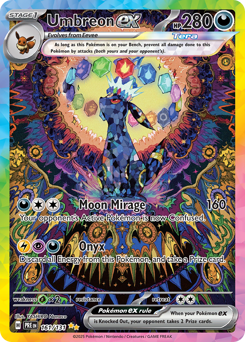
These are the current most valuable cards in our database (live raw prices). They're not "buy" recommendations; they're the benchmark for what proven demand looks like:
Use data, not vibes
The single biggest edge a collector has today is that price history is public. Before buying anything as an "investment":
- Open the card's 90-day chart and see whether you're buying a plateau or a spike.
- Check the daily movers to see what the market is rotating into and out of. Cards rising over 30 days on real liquidity look like this right now:
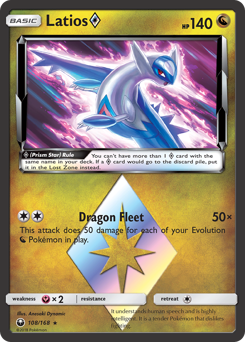
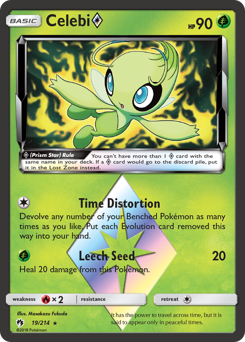
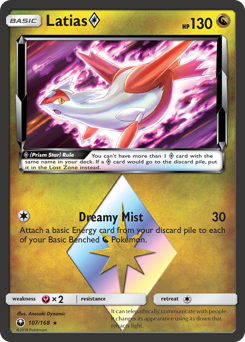
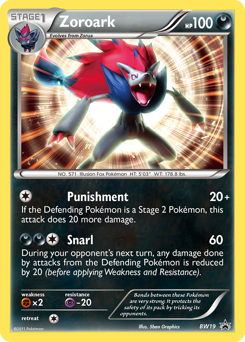
A riser is information, not an instruction. Sometimes it's the start of a repricing; sometimes it's a hype candle that retraces in a month. The chart on each card's page shows which pattern you're looking at.
The costs nobody prices in
Marketplace fees run around 13% all-in when you sell (see our selling guide), grading costs $15-80 per card (see the fee breakdown), and shipping, sleeves and storage add up. A card must appreciate roughly 15-20% before you've made your first dollar. That math filters most "flips" out of profitability on its own.
FAQ
What are the best Pokemon cards to invest in?
There's no safe list, and anyone selling you one is selling you their exit. What holds up over time: iconic Pokemon (Charizard, Pikachu, the Eeveelutions) in their scarcest printings, condition-graded vintage, and chase cards from sets whose sealed supply has dried up. What tends to disappoint: heavily printed modern cards bought at hype peaks.
Are Pokemon cards a good investment?
They're a collectible market: illiquid, sentiment-driven and unregulated, with real transaction costs (marketplace fees run around 13% and grading costs money too). Some cards have outperformed for years; plenty of buyers at 2021 peaks are still underwater. Treat it as collecting with upside, not as a retirement plan.
Should I invest in sealed product or singles?
Different bets. Singles let you pick exact cards and conditions; sealed boxes bet on scarcity as supply gets opened over years. Sealed needs storage, patience and authenticity care, and modern print runs are enormous, which slows the scarcity clock. Singles give you the data advantage: every card has a visible price history.
When should I sell?
Into strength, not into panic. Watch the card's own 90-day chart: selling during a spike beats selling after one. Fees and shipping take their cut either way, so small gains often net to nothing once you do the math.
None of this is financial advice; it's market mechanics from people who watch the data daily. If you want the same data, every card page carries its live price and 90-day chart, and the movers board refreshes every morning.