PSA 9 vs PSA 10: What the One-Point Gap Really Costs
Guides · Published 2026-07-31 · 6 min read · by Sándor
One number on a slab can multiply a card's price. The jump from PSA 9 to PSA 10 is the most expensive single grade step in the hobby, and understanding what drives it will save you money on both sides of the trade.
What the grades actually mean
PSA 10, Gem Mint: a virtually perfect card. Sharp corners, pristine surface, full gloss, centering within tight tolerances. PSA 9, Mint: excellent, with one minor flaw allowed: a touch of whitening, a small print line, centering a bit off. In hand, most people can't tell them apart without a loupe. The market can.
What sets the price gap
- Population. The ratio of 10s to 9s for that exact card is the whole story. Modern cards often grade 10 at high rates, which keeps the gap modest. Vintage cards rarely do, and their 10s price like trophies.
- Demand tier. On a card everyone wants, trophy hunters bid the 10 into its own market. On a mid-tier card, the 10 premium stays polite.
- Hype cycles. When a card runs hot, 10s run hottest. The daily movers are a decent early warning for both directions.
The practical playbook
- Buying for the binder: the 9 is usually the smart money. Same artwork, most of the eye appeal, meaningfully cheaper.
- Buying as a bet: know the population and the raw price first. A thin-population 10 on a beloved card is a different asset than a mass-graded modern 10.
- Submitting raw cards: grade for the 10, budget for the 9. Run the numbers with our grading cost guide using the 9 price as your realistic case, and see the grader comparison before picking a service.
Cards where the question gets expensive
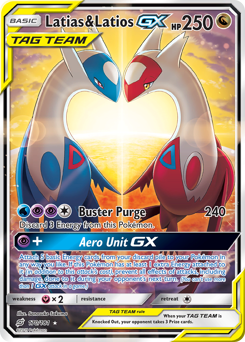
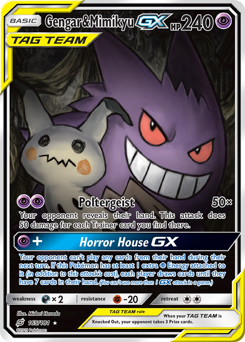
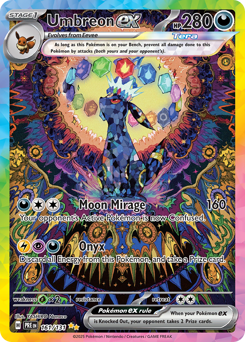
These are the kinds of cards where the 9-versus-10 decision moves serious money (live raw prices shown; graded copies trade above them):

FAQ
What's the difference between PSA 9 and PSA 10?
PSA 10 (Gem Mint) means a virtually perfect card: sharp corners, clean surface, strong centering within tight tolerances. PSA 9 (Mint) allows one minor flaw, like a small print imperfection or slightly off centering. The physical difference is often invisible from across a table; the price difference rarely is.
Why is a PSA 10 worth so much more than a PSA 9?
Scarcity and trophy demand. For many modern cards the 10 is the grade collectors compete for, and the population of 10s versus 9s sets the gap. When most graded copies come back 10, the premium shrinks; when 10s are rare for a card, the gap can be enormous. Check the card's population data before assuming either.
Is a PSA 9 a bad investment?
Often it's the value buy. Nines of expensive vintage cards deliver most of the eye appeal for a fraction of the price, and their buyer pool is wider. The risk profile differs too: 10 prices swing harder with hype, while 9s track the card's baseline demand more closely.
Should I regrade a PSA 9 hoping for a 10?
Only if the card genuinely looks flawless and the 9-to-10 price gap covers the fee several times over. Crossovers and regrades are a numbers game; most 9s are 9s for a reason a grader will find again.
Before any grading decision, start from the raw market price: scan the card with Ripdex or look it up in the value checker, then judge its condition honestly against the condition guide. The slab question only matters once the raw math works.